Why Establishing Claims Courts Is Essential for Accountability, Rule of Law, and Democratic Governance in Liberia
Polished Paragraph
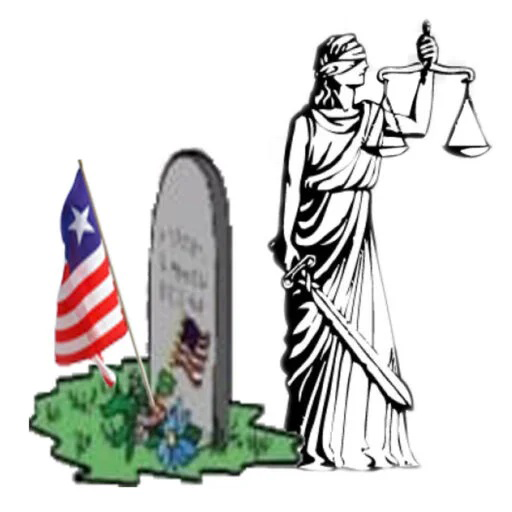
The absence of Claims Courts within Liberia’s justice system poses a serious threat to national integration, unity, and the rule of law. A government that operates without Claims Courts—courts expressly mandated by Article 26 of the 1986 Constitution—cannot effectively ensure accountability for public officials or provide citizens with meaningful legal redress when their constitutional rights are violated. When individuals acting under the authority of government can evade responsibility through technicalities of the law, impunity thrives, public trust erodes, and officials become indifferent to ethical conduct. This persistent gap undermines justice, fuels corruption, and weakens the moral authority of the state.
To strengthen national cohesion and uphold constitutional governance, the Judiciary must be fully constituted with Claims Courts, established by the National Legislature and brought into force by the President. The Constitution is unequivocal: citizens injured by acts of government or its agents—in matters of property, contract, tort, or otherwise—are entitled to seek redress in a Claims Court, with appeals lying directly to the Supreme Court. Without these courts, citizens are left without a lawful forum to hold public officials accountable, effectively rendering such officials “a law unto themselves.”
Public service must not be a pathway to unchecked personal enrichment. Wealth amassed through misuse of public resources offers no lasting value and cannot substitute for integrity, justice, or the dignity of public office. True governance demands restraint, accountability, and respect for the law. Therefore, any government formed in 2024 must demonstrate its commitment to justice by prioritizing the establishment of Claims Courts—ideally within the first ninety days of office—so that no public official stands above the law and the constitutional rights of all Liberians are protected, now and for generations to come.