Subtitle
LIMASA Emphasizes Local Involvement in Accountability, Reparations, and Memorialization Efforts
News Article
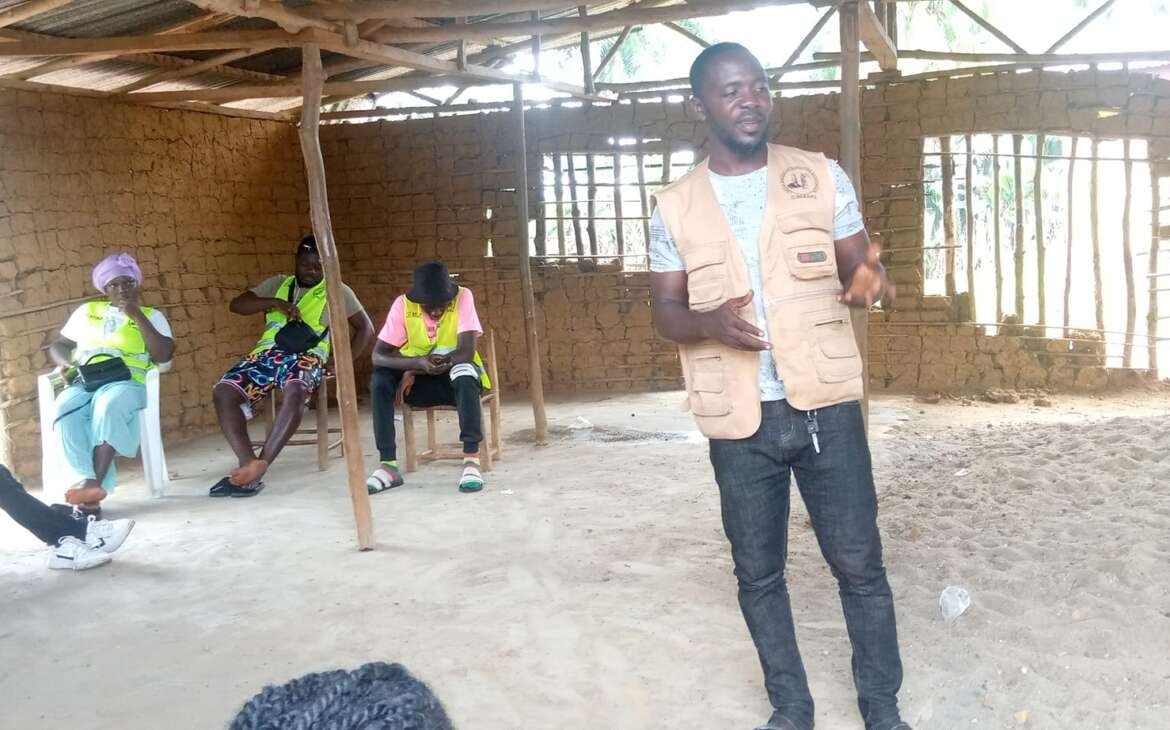
The full implementation of Liberia’s Truth and Reconciliation Commission (TRC) report depends heavily on active community engagement, according to officials from the Liberian Institute for Mass Atrocity Studies and Advocacy (LIMASA). The organization stresses that meaningful progress on accountability, reparations, and memorialization cannot be achieved without participation from citizens at the local level.
LIMASA’s current focus is to educate communities on the TRC’s key recommendations. These include criminal prosecution for perpetrators of atrocities, the “palava hut” program designed to facilitate dialogue and reconciliation, reparations for victims of the civil war, and proper memorialization to honor those who lost their lives.
“Our efforts are centered on ensuring that communities understand their role in the implementation of the TRC report,” LIMASA officials said. “Accountability and healing begin at the grassroots. Without involving people at the community level, the TRC’s vision of justice and national reconciliation cannot be fully realized.”
By engaging citizens directly, LIMASA aims to create a platform where dialogue, truth-telling, and reconciliation can flourish. The organization believes that active community participation will not only promote justice for victims but also foster national unity and prevent the recurrence of atrocities.
This initiative underscores the importance of bridging the gap between national-level recommendations and local-level action, ensuring that Liberia’s path to healing is both inclusive and sustainable.